Basement Sewage Cleanup in Madison
Trusted basement sewage cleanup in Madison and surrounding areas. Licensed general contractor, free estimates, on-time and on-budget. Call (256) 771-0326.
**Basement sewage backup in your Madison home? Standing wastewater in a finished or unfinished basement is a contamination event, not a simple cleanup, and the longer it sits against drywall, flooring, and insulation, the more material has to come out.
What Basement Sewage Cleanup actually involves
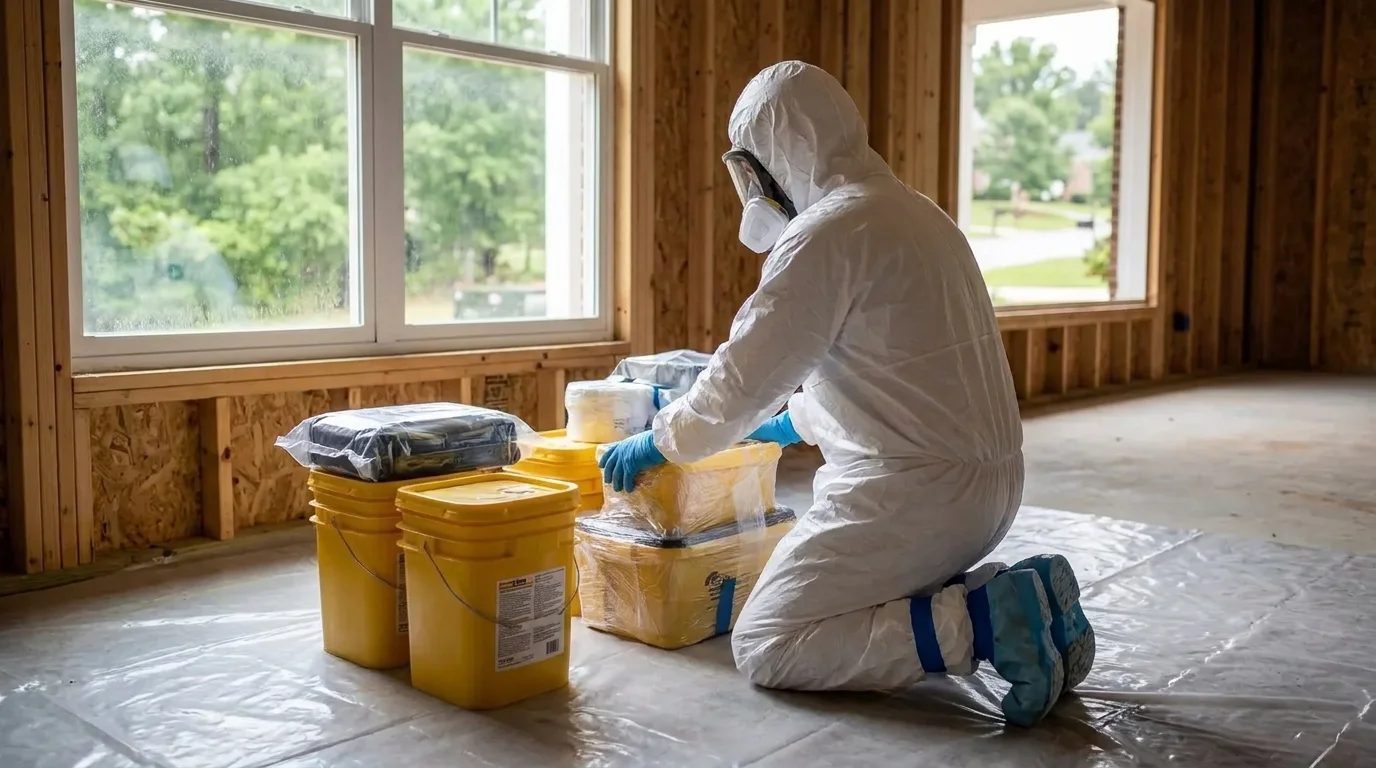
A sewage backup, whether from a failed sump pump, a blocked lateral line, or municipal backup during heavy rain, is classified as Category 3 water: water carrying bacteria, viruses, and other contaminants that make standard drying protocols insufficient on their own. The work starts with containing the affected area to keep contamination from tracking into unaffected rooms, then removing standing water and any porous materials that have absorbed it, carpet pad, baseboards, drywall below the waterline, and in some cases subflooring. Equipment typically includes truck-mounted or portable extraction units, air movers, and commercial dehumidifiers, along with antimicrobial treatments applied to framing and remaining surfaces. Timeline depends heavily on how much porous material has to be removed versus dried in place, but most basement sewage jobs run longer than a comparable clean-water loss because of the demolition and disposal steps.
Our process
- Site containment and safety assessment. Before anyone enters the affected area, we identify the contamination source, shut off any active water intrusion if possible, and set up containment barriers to isolate the basement from the rest of the home.
- Extraction and contaminated material removal. Standing water is extracted first, followed by removal of carpet, pad, and any drywall or insulation that contacted the water, since porous materials exposed to Category 3 water generally cannot be saved.
- Cleaning and antimicrobial treatment. Remaining hard surfaces, framing, and concrete are cleaned and treated to address contamination before drying begins.
- Structural drying and monitoring. Air movers and dehumidifiers are set to dry the space to a verified standard, with moisture readings taken over several days to confirm framing and subfloor have reached acceptable levels.
- Documentation for your claim. Photos, moisture logs, and a written scope of the work performed are compiled to support your insurance claim from the start.
What separates a good sewage cleanup response from a bad one
The most common mistake in basement sewage cleanup is treating it like a standard water loss: drying materials in place that should have been removed. Category 3 water contaminates porous materials in a way that air movers and dehumidifiers cannot fully address, so drywall, carpet, and pad that look salvageable often aren’t. Adjusters reviewing these claims typically look for documented moisture readings before and after drying, photos of removed materials, and a clear explanation of why certain materials were discarded rather than dried. A response that skips this documentation, or that dries contaminated material to save a few hundred dollars, tends to create disputes later when odor or staining reappears. Proper ventilation during the job also matters, both for worker safety and to avoid pushing contaminated air into HVAC returns that serve the rest of the house.
What does Basement Sewage Cleanup cost?
Costs vary widely depending on how much standing water was present, how long it sat before cleanup began, and how much material has to be removed versus dried. Every loss is different, which is why Davis Construction Contractors provides a written scope of work before any demolition or treatment begins. Most homeowners insurance policies cover sudden sewage backups caused by a mechanical failure like a sump pump or sewer line issue, though coverage for backups caused by municipal sewer system overload sometimes requires a separate rider, so it’s worth checking your specific policy.
| Scenario | Typical range |
|---|---|
| Small basement, minor backup, no material removal | $1,500 - $3,000 |
| Finished basement, carpet and baseboard removal | $3,500 - $7,500 |
| Full basement, drywall and subfloor removal | $7,000 - $15,000 |
| Extended standing water, structural drying required | $10,000 - $20,000+ |
Seasonal & regional considerations
Madison’s clay-heavy soil and the heavy rain events common across north Alabama put added strain on sump pumps and sewer laterals during spring and summer storms. Older homes in the area with cast iron or clay sewer lines are more prone to root intrusion and line failure, which can cause backups even without an unusual storm event. Basements built into Madison’s rolling terrain also tend to sit closer to the water table in certain neighborhoods, which can mean backups recur if the underlying drainage issue isn’t addressed alongside the cleanup.
Service area
Davis Construction Contractors responds to basement sewage cleanup calls throughout Madison and the surrounding Huntsville metro area, including Harvest, Meridianville, and Triana.
If sewage has backed up into your basement, don’t wait for the odor or staining to spread further into the structure. Call (256) 771-0326 to begin discreet basement sewage cleanup and get a written scope of work started.
Services We Handle
- Category 3 Water Cleanup
- Sewage Cleanup
Frequently Asked Questions
Does homeowners insurance cover basement sewage cleanup?
Can carpet and drywall be dried and saved after a sewage backup?
How quickly should a basement sewage backup be addressed?
Is it safe to stay in the house during basement sewage cleanup?
What happens to items and materials removed during the cleanup?
Looking for the best basement sewage cleanup company in Madison?
Davis Construction Contractors provides basement sewage cleanup in Madison, AL and the surrounding area, and has served local property owners since 2008. Customers rate us 4.1 out of 5 stars across 55 Google reviews. Call (256) 771-0326 during business hours (Monday–Friday, 8:00 AM – 5:00 PM) for a free estimate.
Need Basement Sewage Cleanup now?
We serve Madison and surrounding AL cities. Family-owned, licensed & insured.
Related Coverage
- Our Restoration Services
- Contact Davis Construction Contractors
- Construction Services in Arab
- Construction Services in Ardmore
- Restoration Services in Athens
- Construction Services in Decatur
- Construction Services in Elkmont
- Construction Services in Gurley
- Construction Services in Hartselle
- Construction Services in Harvest
- Construction Services in Hazel Green
- Restoration Services in Huntsville
- Construction Services in Meridianville
- Construction Services in Moores Mill